The verdict
Both serve well. The Echo Master serves better.
The Mercury X Pro makes a striking premium case for itself. But when price, feel, sensor performance, and battery life are weighed together, the Echo Master is the clearer recommendation. Its only meaningful reservation is the unanswered question of long-term durability.
Better overall value, with fewer compromises that matter in daily use.
At a glance
The comparison
Battery figures are manufacturer claims and vary with polling rate, RGB, and performance settings.
Full written review
Better specifications do not automatically make a better product.
The GravaStar Mercury X Pro costs about $140. The Akko Echo Master costs about $80, and the cheaper mouse may actually give you more. But the real question is not which specification sheet wins. It is whether either mouse makes ownership easier—or asks its owner to work around it.
01 · GravaStar Mercury X Pro
Exotic on the desk. Surprisingly normal in the hand.
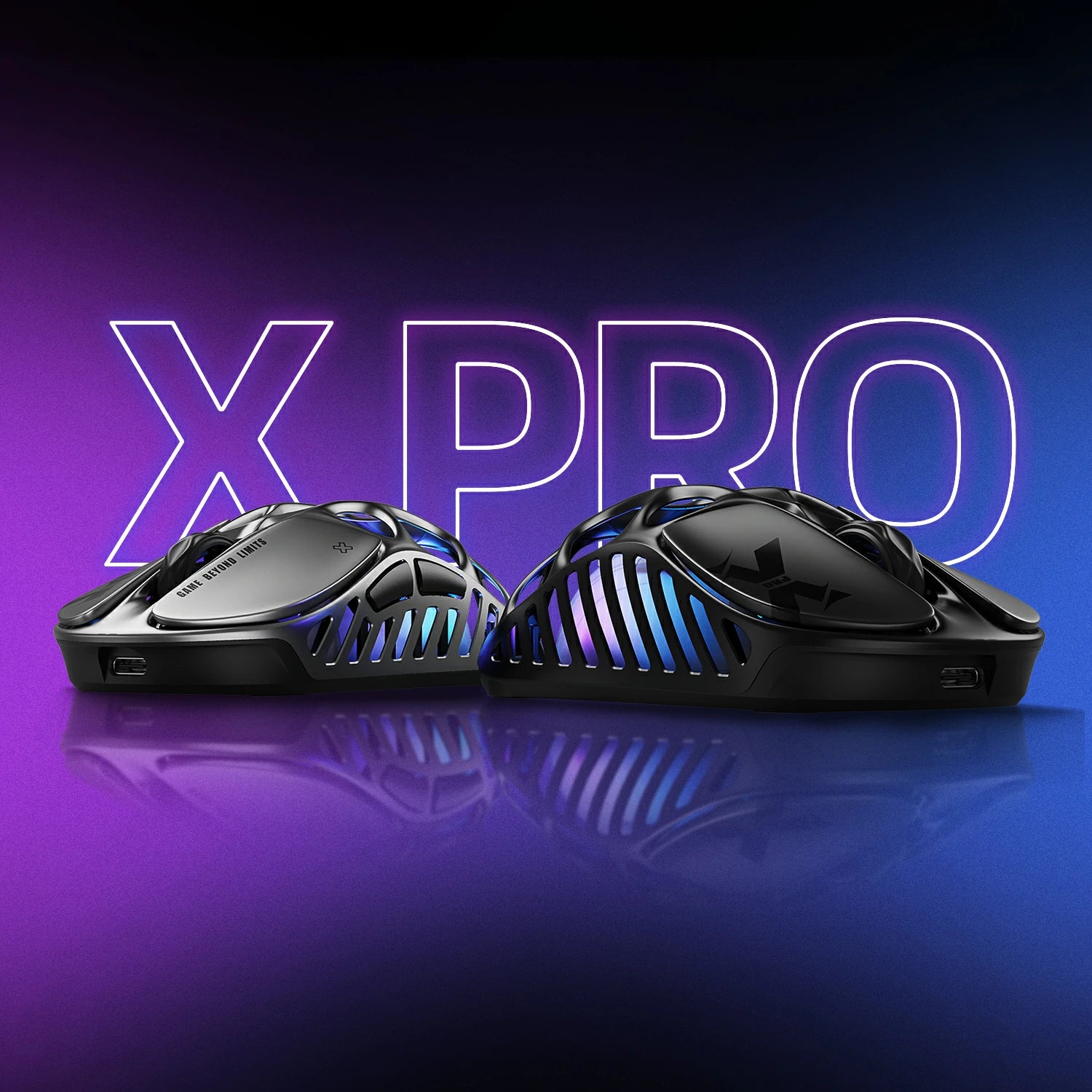
The Mercury X Pro is difficult to forget. Its hollow, skeletal magnesium-alloy frame looks like it came from an alien spacecraft, yet the shape itself is far less extreme than the design suggests. At 49 grams, it is impressively light for a metal mouse. The shell feels cold, rigid, and premium, with practically no noticeable flex.
In the hand, it is a comfortable medium-to-large mouse. The visual design is aggressive, but the experience of actually aiming with it is reassuringly familiar.
Sensor and performance
Inside is PixArt’s PAW3950 sensor, rated for up to 32,000 DPI. The included wireless receiver supports polling rates up to 8,000 Hz. Those headline numbers are not what make the mouse good, though. In play, its tracking felt immediate and consistent. The sensor never demanded attention or compensation; the mouse simply got out of the way.
Clicks, battery, and software
The mechanical main clicks feel crisp and responsive, and the metal construction gives the click experience a distinct character. GravaStar claims up to roughly 110 hours of battery life, although maximum polling will reduce that figure substantially.
Control HUB WEB is one of the best parts of ownership. It lets you change DPI, polling rate, button assignments, RGB, and performance settings in a browser. There is no extra peripheral application sitting in the system tray after the job is done. The configuration tool appears when it is useful, then disappears—and that is a small but meaningful example of gear serving its owner.
02 · Akko Echo Master
Less exotic. More natural. Almost half the price.
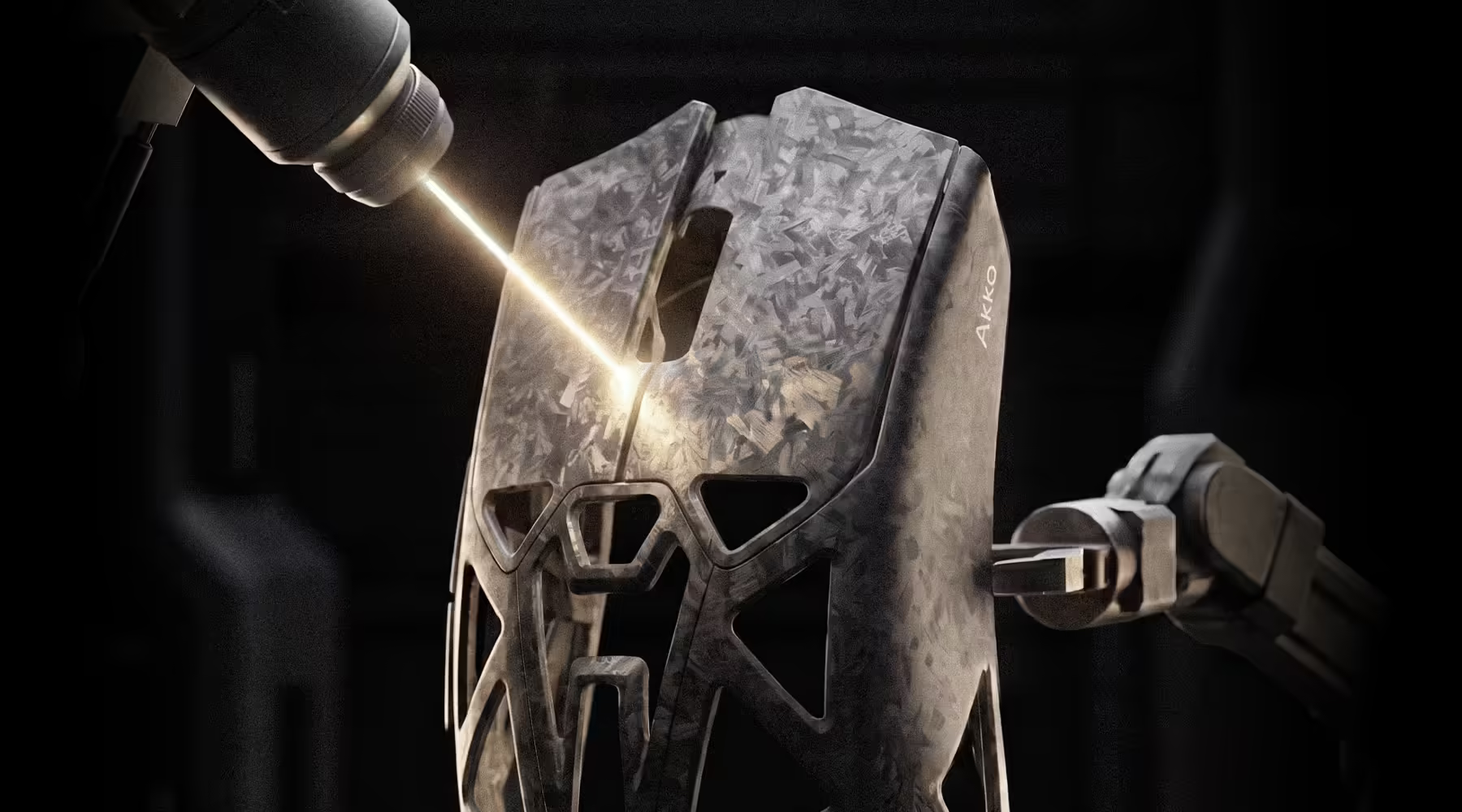
The Echo Master costs around $80, leaving roughly $60 in your pocket compared with the Mercury X Pro. Instead of magnesium, Akko uses a carbon-fiber composite shell. It is not made from 100 percent pure carbon fiber, but the result is still a rigid, lightweight mouse at 55 ± 3 grams.
The two mice are almost comically close in size, but the Echo Master feels more natural in the hand. The Mercury feels more exotic; the Echo feels more focused on the job. When the goal is hitting a shot rather than admiring the material, that distinction matters.
Flagship-class internals
Akko pairs the Echo Master with a PixArt PAW3955 sensor and Nordic nRF54L15 MCU. It supports up to 65,000 DPI through its driver and polling rates up to 8,000 Hz. Very few players need anything close to 65,000 DPI; the important point is that Akko did not use bargain-bin internals to reach its price.
Its Omron optical main switches are fast, crisp, and excellent in use. The Echo gives up no meaningful click-quality advantage to the more expensive mouse.
Battery life that reduces ownership friction
Despite using a 300 mAh battery, Akko claims up to 220 hours of continuous use at 1,000 Hz and around 28 hours at 8,000 Hz. That difference is a useful reminder: if 8K polling does not provide a genuine benefit for your setup, running at 1K or 2K can turn battery life into one less thing to think about.
Akko also gives the owner a choice between its web driver and the downloadable Akko Gaming Hub. Good ownership is about more than FPS performance. It is also about how many hoops a product creates, how often it needs maintenance, and how much control the manufacturer gives back to the person who bought it. The Echo does very well here.
03 · The tradeoff
The Mercury still has the stronger longevity case.
The Echo Master does not sweep every category. The Mercury X Pro’s magnesium-alloy construction inspires more confidence over years of use than the Echo’s composite shell. The GravaStar feels exceptionally rigid, premium, and capable of taking abuse.
That durability confidence—along with the distinctive metal construction and design—is part of what the extra money buys. For someone who values those qualities most, the Mercury remains a legitimate choice.
04 · Final recommendation
Akko asks less from you while giving more in return.
The Mercury X Pro serves its owner. It is lightweight, comfortable, responsive, well-built, easy to configure, and unlike almost anything else on a desk. If you love magnesium mice and its design speaks to you, the $140 price may be justified.
But the Echo Master serves its owner better. For roughly $60 less, it offers flagship-class internals, excellent optical switches, strong software options, outstanding claimed battery life, and a shape that feels natural in use. Its long-term durability is the one meaningful reservation.
The Echo does not win because the Mercury is bad. It wins because it earns its place on the desk while asking less from the person sitting there.
The Serve Test
What does each mouse ask from you?
It gives more than it asks.
Buy it for the stronger value, natural feel, flagship internals, excellent battery claims, and choice of software. The tradeoff is less confidence in long-term shell durability.
It serves—but at a premium.
Buy it for the magnesium construction, lower weight, distinctive design, and premium feel. Skip it if those qualities are not worth an extra $60 to you.
Disclosure
AVYN reviews products independently. If an affiliate purchase link is added, AVYN may earn a commission at no additional cost to you. Affiliate relationships do not determine our verdicts.